What the SEC whistleblower program is and what a submission means
The SEC whistleblower program lets anyone report capital markets violations, including from outside the US. A complete guide: Form TCR, awards, confidentiality, anti-retaliation protection and what the SEC confirms.
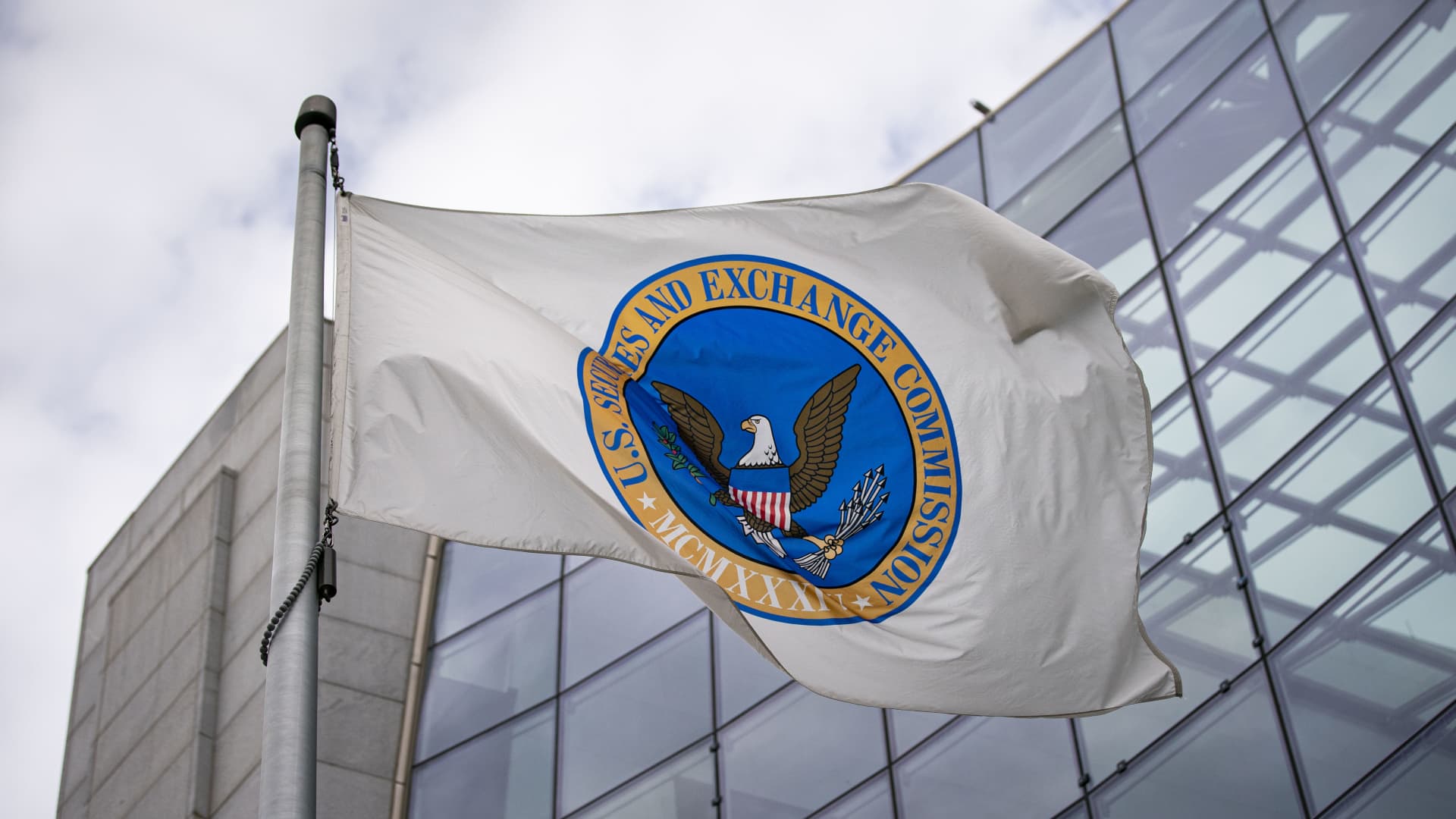
The SEC (Securities and Exchange Commission) whistleblower program was born with the Dodd-Frank Act of 2010. Anyone, including outside the United States, may report violations of securities law to the SEC through Form TCR (Tip, Complaint or Referral). The program combines three elements: the possibility of a financial award, confidentiality and protection against retaliation. This guide explains each one, what the SEC confirms and does not confirm, and how the program relates to the Pernod Ricard and Brown-Forman case.
1. Direct answer
A submission to the program registers the information with the SEC. It does not automatically open an investigation, and the SEC, as a rule, neither confirms nor denies investigations to those who report. The standard reply only states that the submission was received. The value of the program lies in taking the information to the competent authority, with legal protection, not in obtaining feedback on progress.
2. Legal basis
- Exchange Act, section 21F (Dodd-Frank): creates the whistleblower program, authorizes awards and prohibits retaliation.
- SEC Rules 21F-1 to 21F-18: define whistleblower, original information, procedures, eligibility and deadlines.
- Digital Realty Trust v. Somers (US Supreme Court, 2018): held that Dodd-Frank's anti-retaliation protection covers those who reported to the SEC.
- Sarbanes-Oxley Act, section 806: protects employees of public companies against retaliation for reporting fraud, through its own administrative route (OSHA), with short deadlines.
3. What the program offers
- Award: between 10% and 30% of sanctions exceeding US$ 1 million, when original information leads to a successful action.
- Confidentiality: the SEC protects the whistleblower's identity (section 21F(h)(2)), and the report may be made through a lawyer, including anonymously (Rule 21F-9(c)).
- Protection against retaliation: whoever reported to the SEC may have their own action against the employer who retaliates, with reinstatement, double back pay and fees.
- Eligibility of foreigners: there is no need to be a US citizen or resident. The information must, however, relate to violations of US securities law, or to issuers subject to it.
4. What "original information" is
For award purposes, the information must derive from the whistleblower's independent knowledge or analysis, not be known to the SEC from another source, and not be derived exclusively from allegations in judicial or administrative proceedings or from news reports. The information must lead to an action with sanctions above US$ 1 million. The whistleblower does not need to be an employee of the company.
5. How it works, in stages
- Preparation: gather facts, dates, people, companies and documents. Distinguish fact from inference.
- Submission of Form TCR, online or by mail, with a description of the conduct and the evidence.
- Submission number: the SEC assigns a number (TCR), which identifies the report.
- Triage: the SEC assesses whether the information deserves investigation.
- Possible investigation, without communication to the whistleblower.
- If there are sanctions above US$ 1 million, the SEC publishes a notice of covered action, and the whistleblower may apply for the award within a set period (90 days from the notice).
6. What the SEC confirms
Very little. The reply is generally a standard text recording receipt. The SEC does not confirm an investigation, does not report on its stage and, even when it investigates, does not usually contact the whistleblower. The absence of feedback is the rule during an investigation and indicates neither rejection nor closure.
7. Which facts are suitable
Conduct that violates the capital markets laws:
- false or omitted information in disclosures to investors;
- accounting fraud or fraud in internal controls;
- market manipulation;
- use of inside information;
- bribery of foreign public officials (FCPA);
- retaliation against those who report internally.
Strictly individual labor issues are not the subject of the program, unless they are linked to risk disclosure or fraud material to investors.
8. Common mistakes
- Treating the submission as a complaint in progress: it is a record, not a case.
- Disclosing the submission number or details before legal advice, in cases that depend on anonymity.
- Mixing the report to the SEC with labor complaints, which dilutes the focus.
- Expecting an individual reply.
- Missing the deadlines to apply for an award after the notice of covered action.
9. In the Pernod Ricard, Page Interim and Brown-Forman case
The claimant registered a submission with SEC Whistleblower (reference number 17747-522-785-913) on 28/03/2026, in connection with the case involving Pernod Ricard, Michael Page and Page Interim. Brown-Forman, a company listed on the NYSE, which disclosed to the SEC talks with Pernod Ricard on 26/03/2026, was notified through the EthicsPoint channel on 29 and 30/03/2026. For the context of the disclosure, see the post on Form 8-K.
Between 21 and 23/04/2026, the claimant received the SEC's standard reply, which records receipt and does not indicate progress. On 12/10/2026, he sent a notice to the US Department of Justice about possible retaliation against a whistleblower.
10. Checklist for those thinking of reporting
- Gather documents and organize a timeline.
- Separate proven facts from hypotheses.
- Confirm whether the issuer or conduct has a connection to US securities law.
- Consider advice from a US lawyer, especially if you want anonymity or an award.
- Keep the submission number and the receipt.
- Avoid confronting the company before defining the strategy.
11. Frequently asked questions
Do I need a lawyer? For an anonymous report, yes. For an identified report, it is not mandatory.
Can I report from outside the US? Yes, as long as there is a connection to US securities law.
What is the deadline? The report may be made at any time, subject to the limitation periods of the conduct. There are specific deadlines to apply for an award.
Does the SEC tell me if it opens an investigation? As a rule, no.
Can I be fired for reporting? The law prohibits retaliation, and there is a specific action for those who reported to the SEC.
Practical cases and advanced questions
Hypothetical example 1: reporting an omitted risk. Someone knows that a company listed in the US did not disclose, in its risk factors, public proceedings involving its supplier chain. The report to the SEC describes the omission, cites the document and the proceedings, and attaches the evidence. The SEC assesses whether the omission is material to investors.
Hypothetical example 2: retaliation after an internal report. An employee reports internally and is fired. To have Dodd-Frank protection, they must have reported to the SEC; Sarbanes-Oxley protection, on the other hand, covers internal reports, through its own administrative route and with a short deadline. The choice of route requires case analysis.
Hypothetical example 3: anonymous report. Whoever wants to remain anonymous must submit the report through a lawyer, who files it in their own name. The whistleblower signs a declaration, kept by the lawyer, and only identifies themselves to the SEC to receive the award.
Question: can I report if I am not an employee of the company? Yes. The program does not require a relationship with the company. What matters is that the information is original and leads to an action.
Question: are an internal report and a report to the SEC compatible? Yes, but the order and timing have effects. Reporting internally may be considered for the award, and reporting to the SEC secures Dodd-Frank protection.
Question: does the SEC investigate facts outside the US? It may, when there is a connection to issuers subject to US law or to conduct affecting investors in the US. Foreign bribery (FCPA) cases have extraterritorial reach.
Question: how long does it take? Cases that result in sanctions usually take years. The absence of feedback for long periods is normal.
Know your rights: Labor rights guide
Related posts
Share article